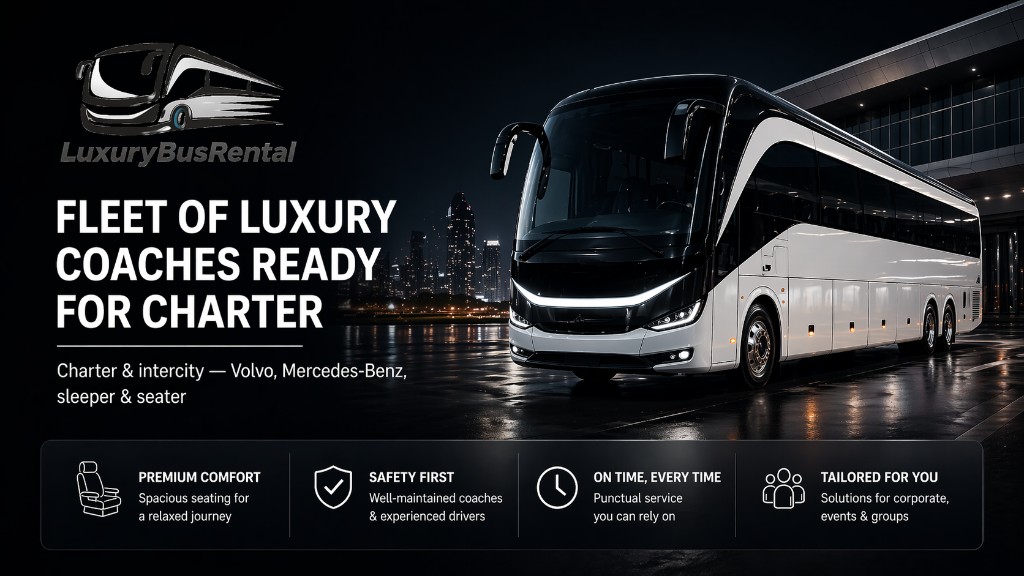
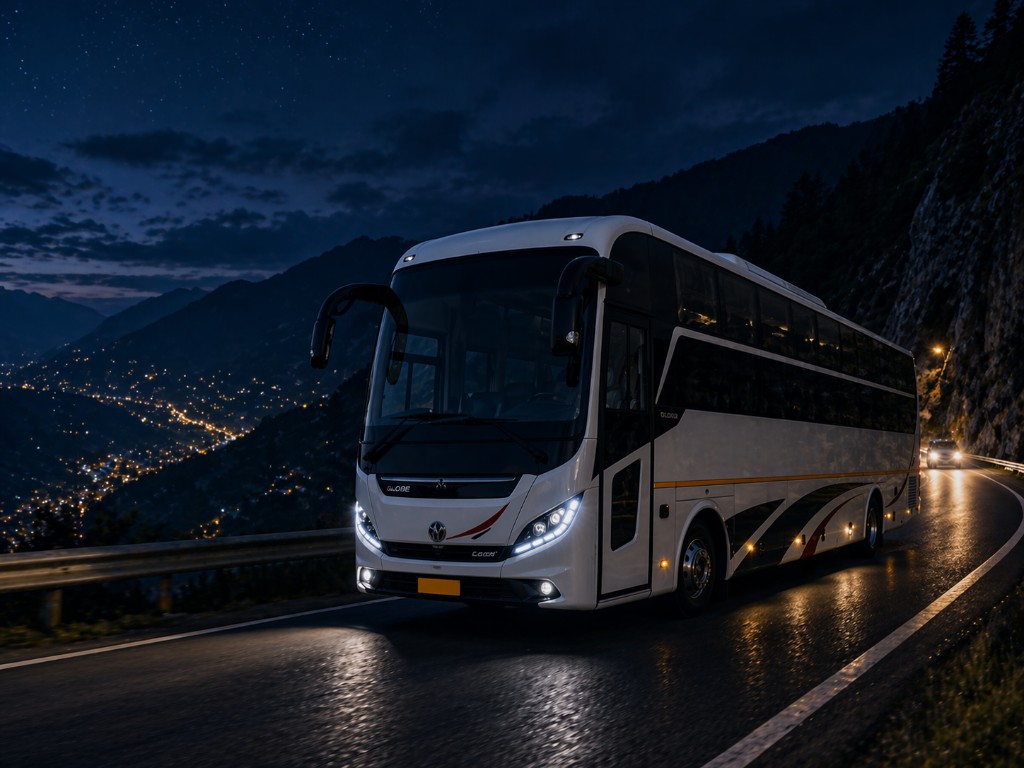
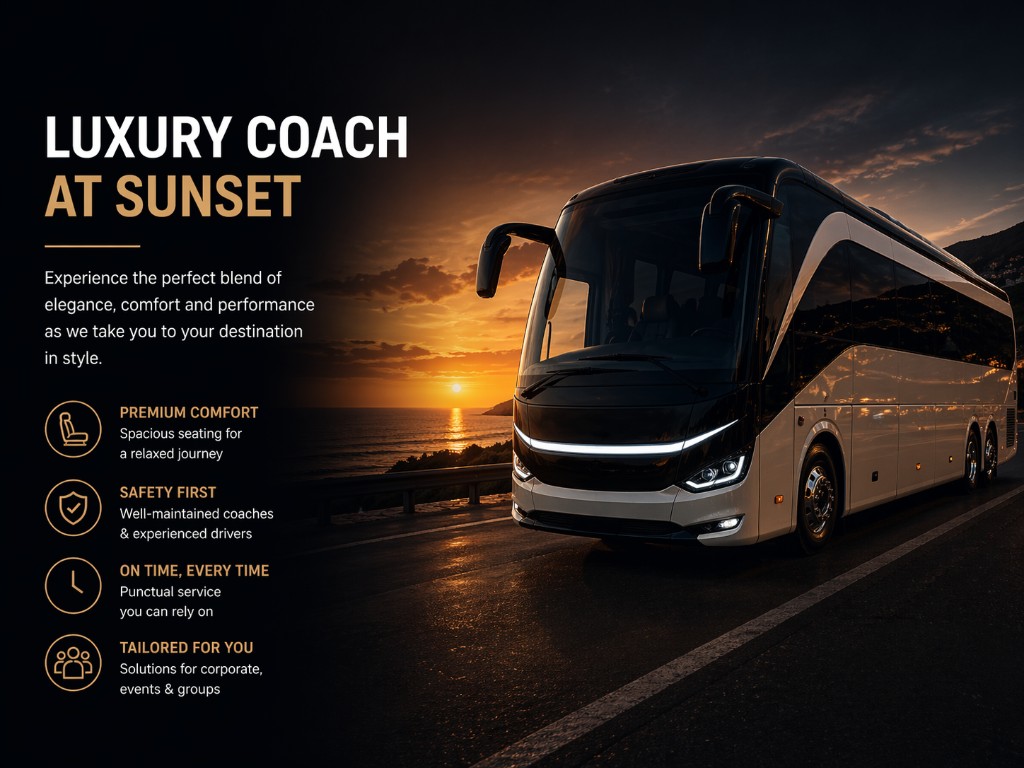
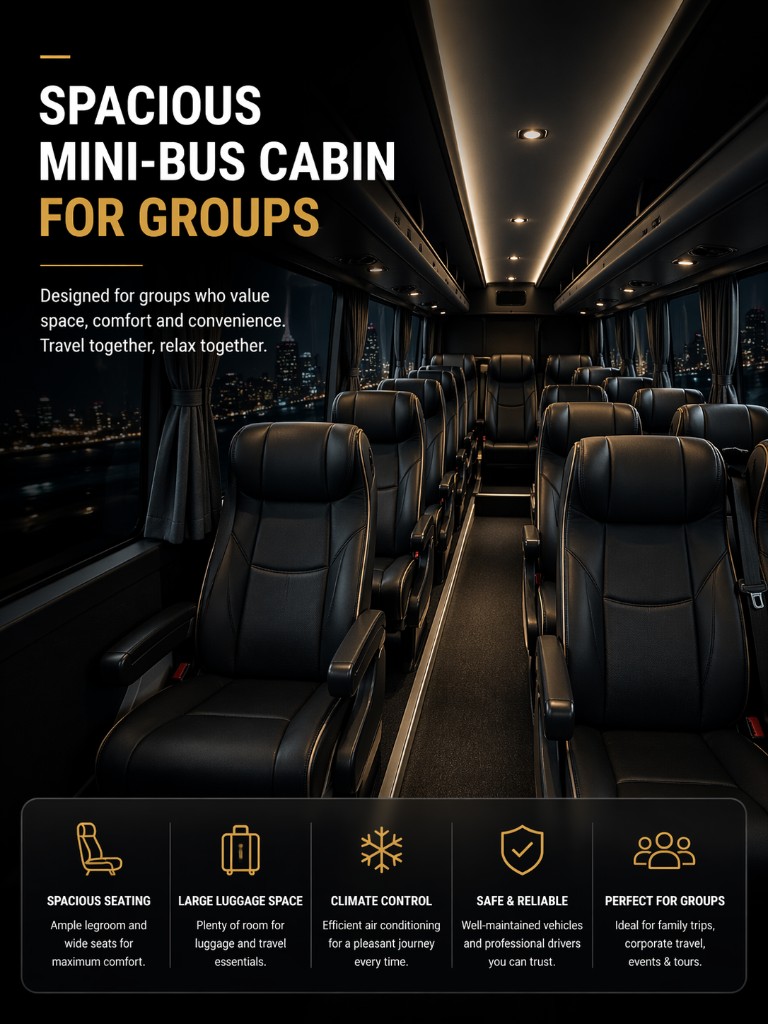
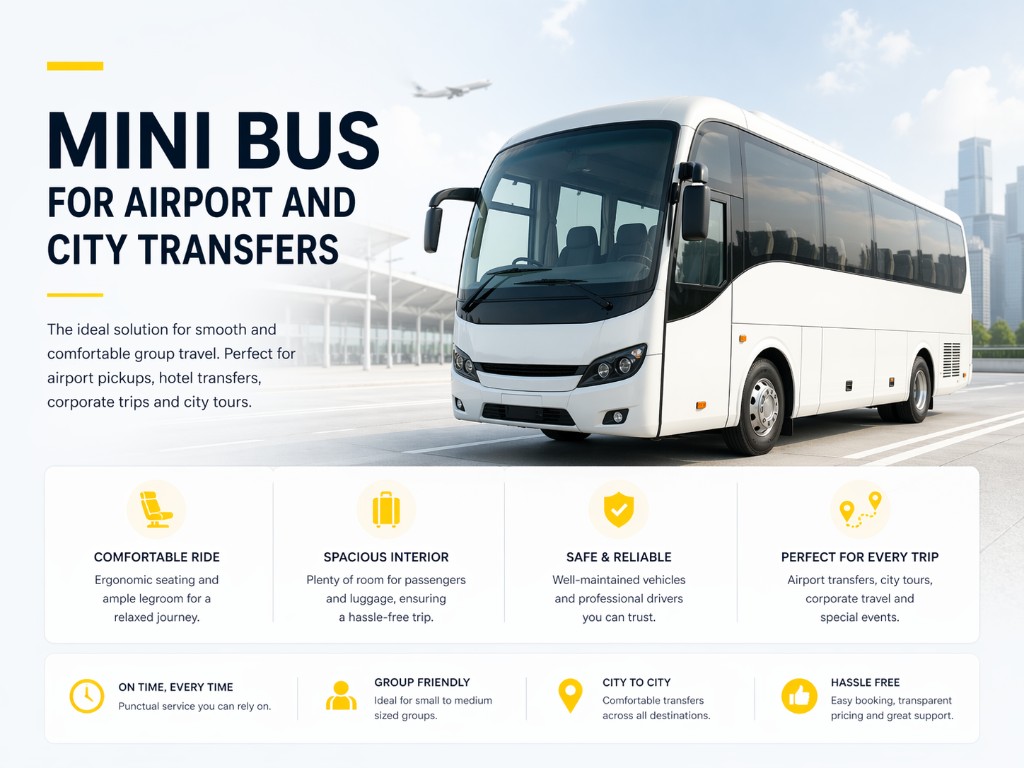
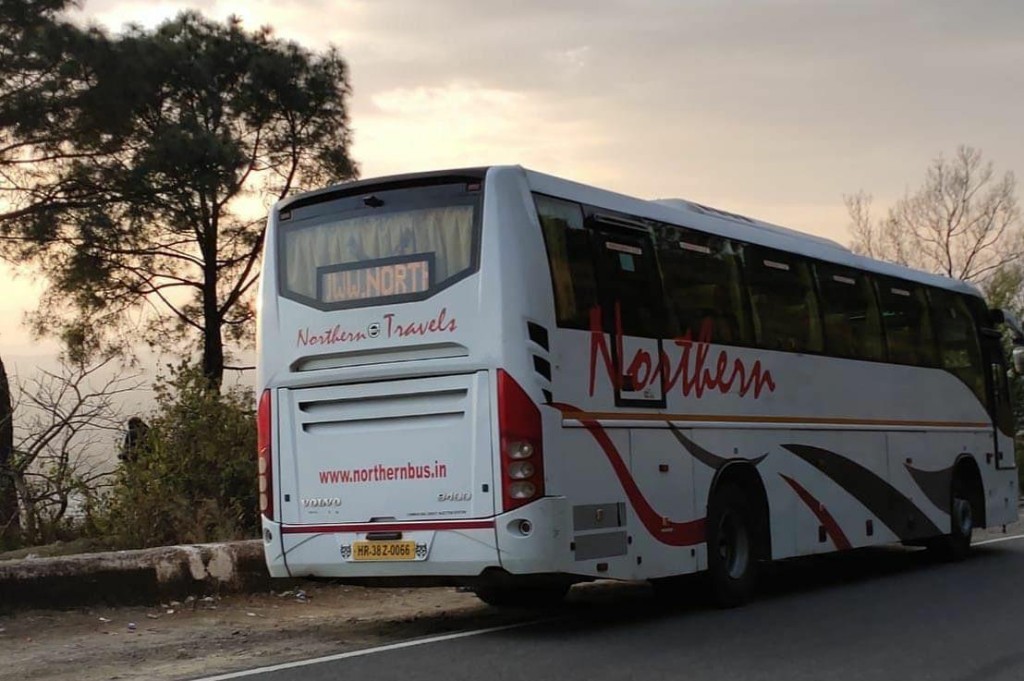
Luxury bus rental in India has evolved from phone-only broker networks into transparent, route-based marketplaces where travellers submit one itinerary and receive multiple quotations from verified coach operators. Kartar Travels Private Limited powers Luxury Bus Rental – Powered by Kartar Travels Private Limited, a platform built around GST-transparent pricing, clear advance and balance schedules, and documented cancellation rules so corporate procurement teams, wedding planners, school administrators, and pilgrimage organisers can plan large-group road transport with confidence. Whether you need a compact 12 seater mini bus for an airport transfer or a 66 seater highway coach for interstate movement, the same workflow applies: define pickup, drop, date, passenger count, and preferred bus category, then compare operator responses side by side before you commit capital to a single vendor.
Across North India—Chandigarh Tricity, Delhi NCR, Punjab, Haryana, Himachal Pradesh, Uttarakhand, and Rajasthan gateway sectors—demand for premium bus hire spikes around wedding seasons, college fests, corporate annual days, cricket and concert shuttles, and long-weekend hill getaways. Search intent clusters around phrases such as “Volvo bus rental”, “Mercedes coach hire”, “AC luxury bus booking”, “wedding bus Punjab”, “corporate bus Delhi”, “Himachal Volvo package”, and “tempo traveller vs mini bus”. This guide explains how Luxury Bus Rental – Powered by Kartar Travels Private Limited aligns with those intents: we emphasise operator verification, published GST percentages, and structured quote comparison rather than opaque “call for best rate” messaging that frustrates procurement teams and families alike.
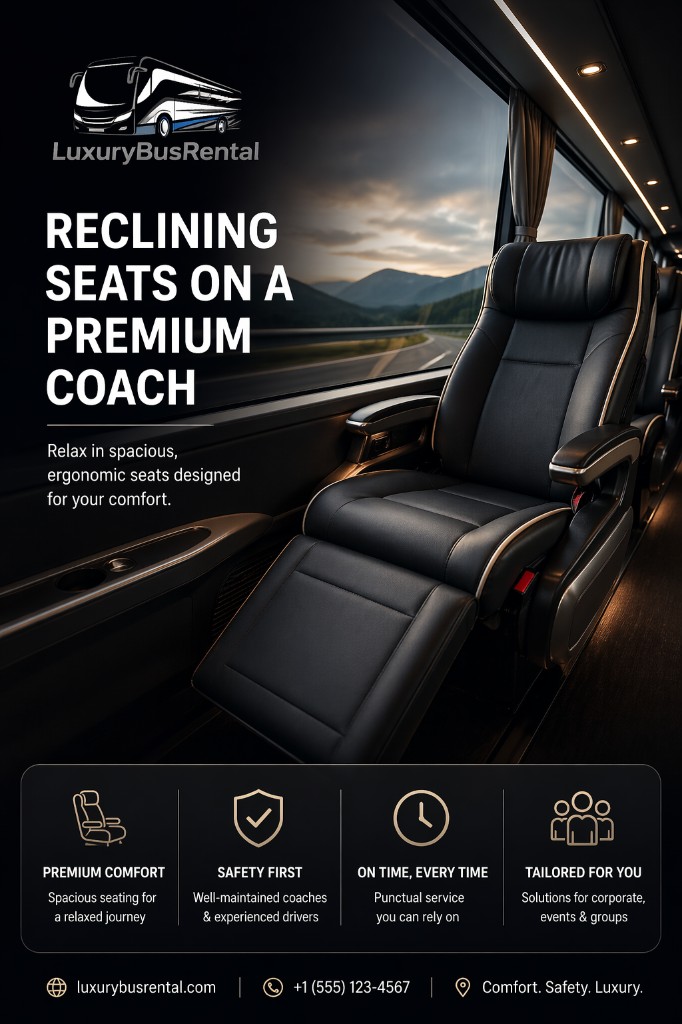
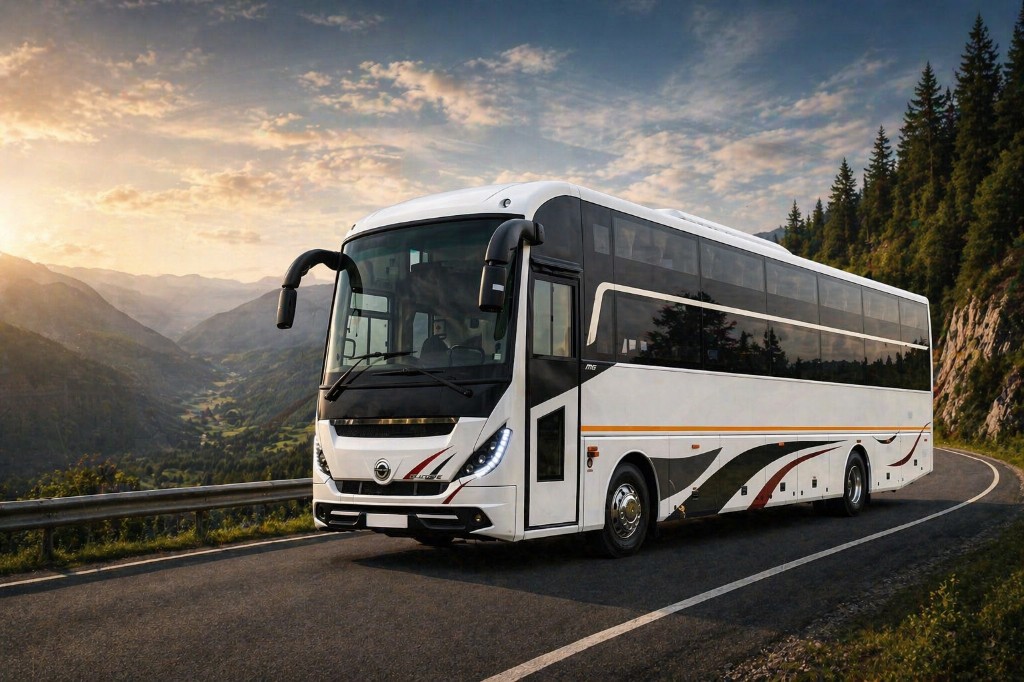
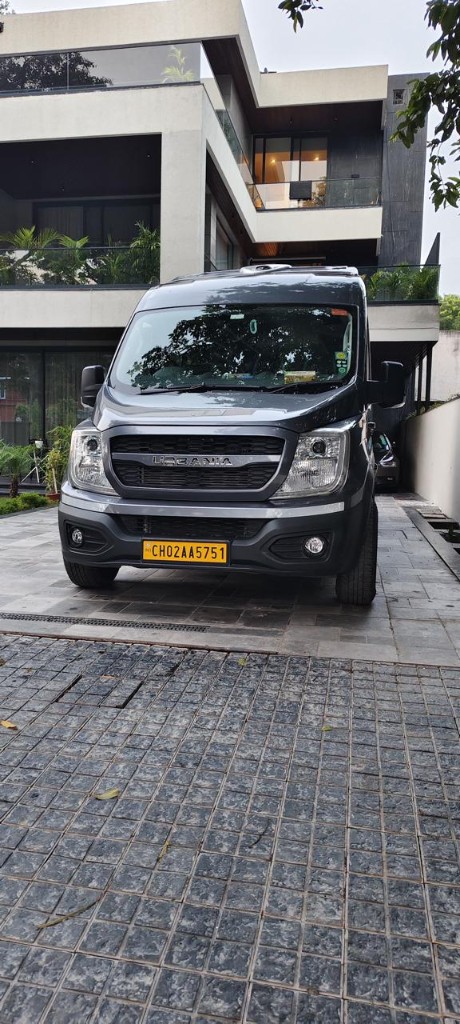
Indian coach configurations typically span 12 seater Urbania-style mini buses through 66 seater full-length intercity bodies built on Volvo B8R, B11R, Scania, Tata Marcopolo, Ashok Leyland, and Eicher platforms depending on operator inventory. Sleeper buses add berth counts and night-route comfort layers, while day-seater coaches prioritise reclining seats, reading lamps, USB charging, and luggage volume under the cabin. Non-AC options still appear for budget school runs and certain rural routes, though most marketplace demand concentrates on air-conditioned vehicles with experienced drivers who understand hill-road discipline, monsoon cautions, and highway night-driving regulations.